Core Technologies

Innovating today, shaping tomorrow.
ESC Design and Repair

Applications in Semiconductor Processes and LCD Panel Displays

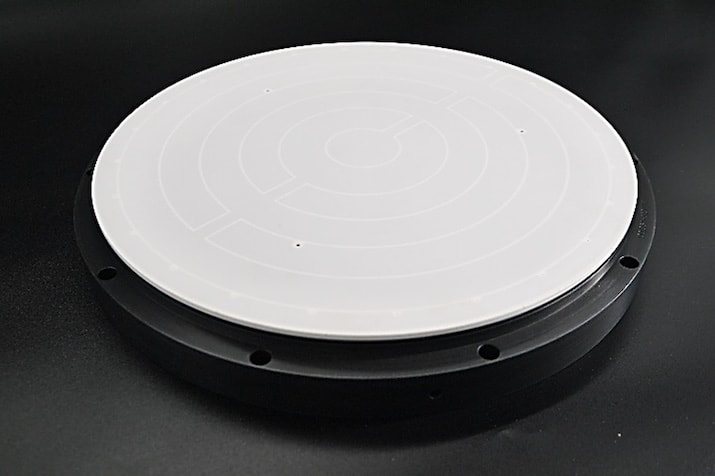
ESC are used to secure wafers during semiconductor manufacturing and to hold glass panels in the display industry.
Key advantages include:
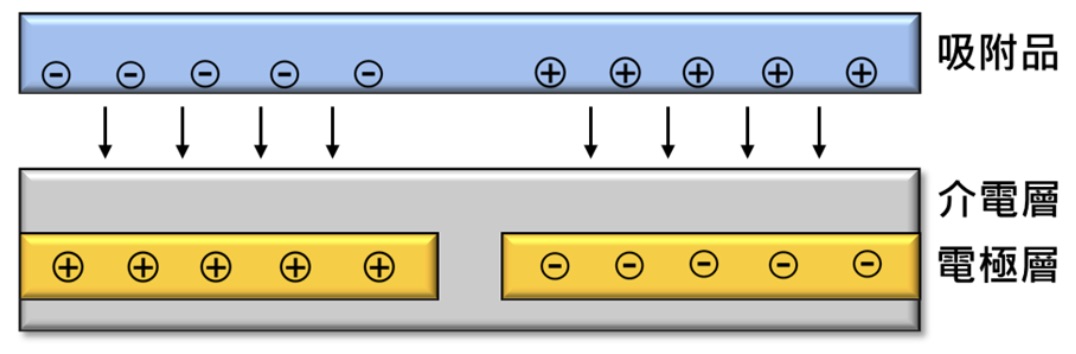
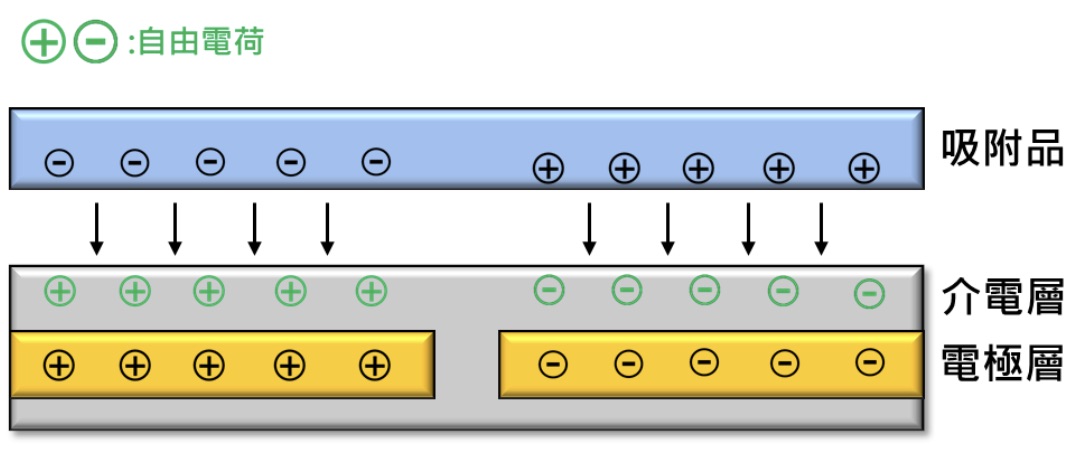
  • Particle-Free Operation: Eliminates mechanical clamping, reducing particle contamination and enhancing process cleanliness.
  • Uniform Clamping Force: Ensures wafer flatness and improves processing accuracy.
  • Vacuum Compatibility: Suitable for applications such as Glass Adhesion, Etching, PVD, and Ion Implantation.

Types of Electrostatic Chucks (ESC)

Based on Clamping Mechanism

  • Coulomb Type: A high voltage is applied to polarize the dielectric layer, generating electrostatic force to hold the workpiece.
  • Johnsen-Rahbek (JR) Type: The dielectric layer is doped with a conductive medium, allowing stronger clamping force at lower voltage.
  • Gradient Force Type: Uses interleaved electrodes to create a non-uniform electric field, enhancing adsorption performance.

Materials

  • Ceramic: Long lifetime, higher cost.
  • Polyimide (PI): High temperature and chemical resistance, suitable for extreme environments.

Types of Heaters

  • Ceramic Heaters: Heating elements and electrodes are embedded into a ceramic substrate, providing stable temperature control.
  • PI-Type Heaters: Flexible design with high-temperature resistance (from -200°C to 180°C), uniform heating, suitable for equipment with complex shapes.

Repair Levels

L1:

Surface polish & Re-patterning

L2:

Ceramic plate de-bonding + L1

L3:

New ceramic plate + L2

L4:

New Heater + L3

CIP:

Continuous Improvement Process

Machine Component Design and Manufacturing

Specification Upgrades, Enhanced Performance
Professional Team for Component Design and Production

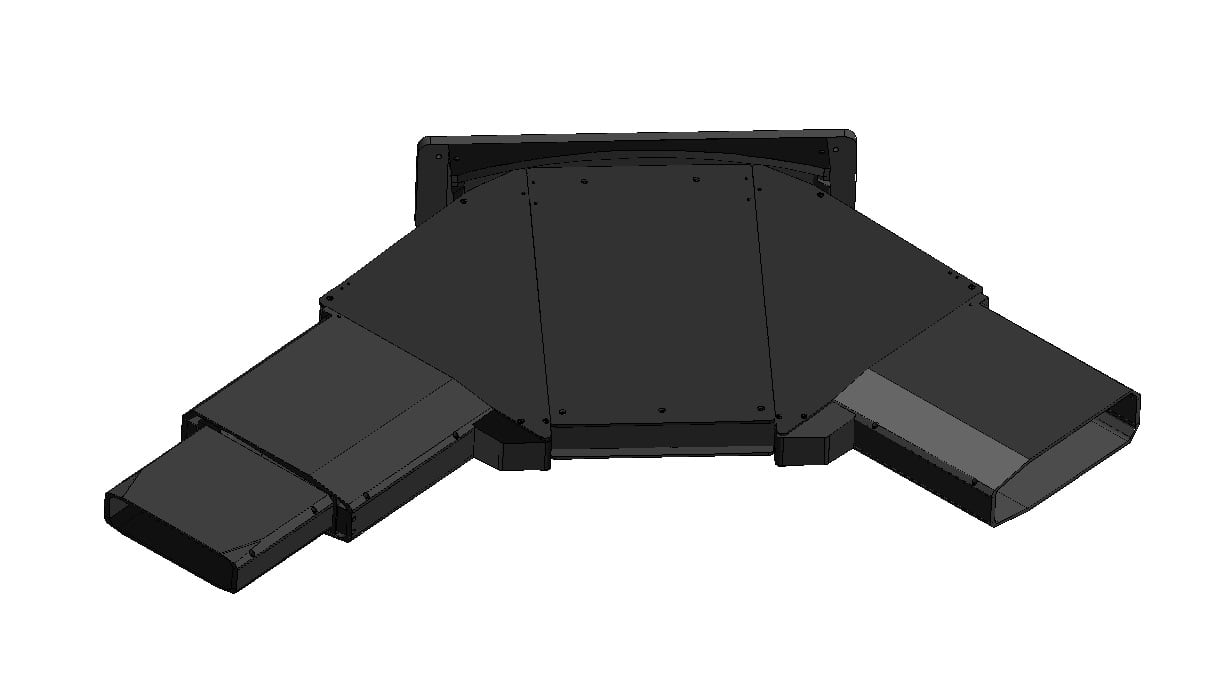
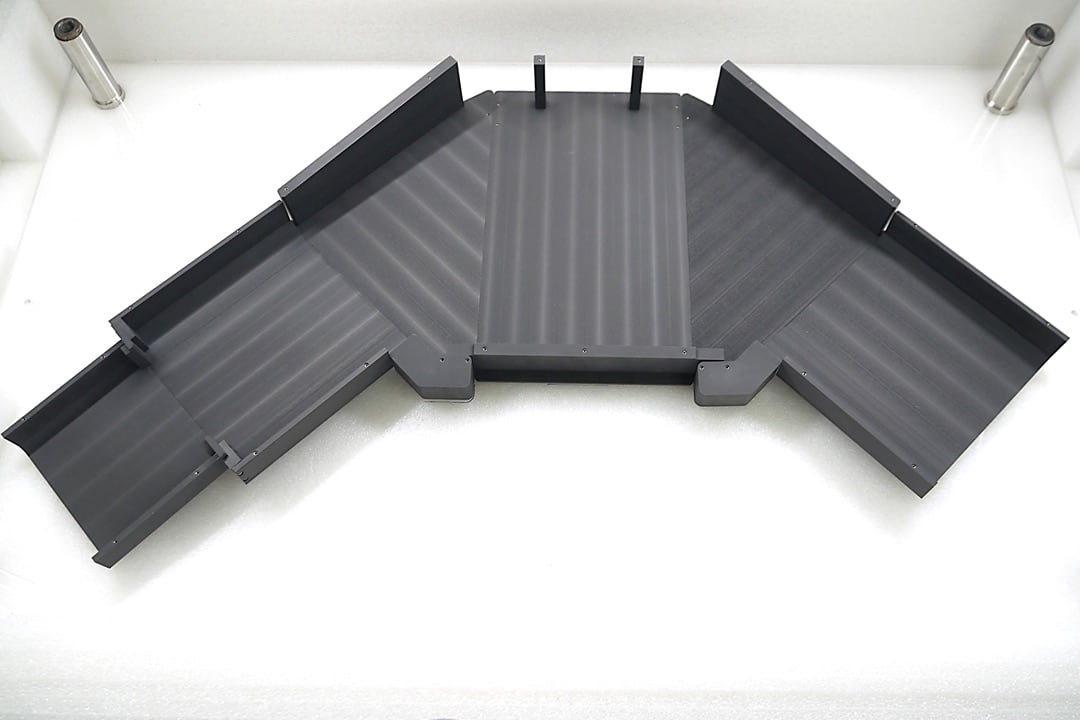
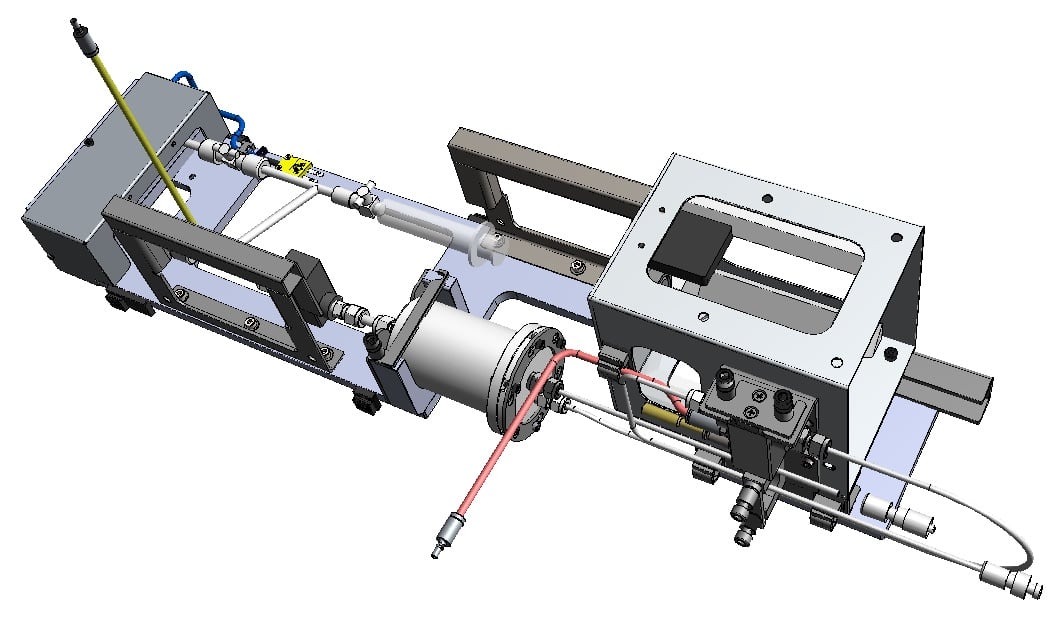
Customized Components
Precision Design and Technology

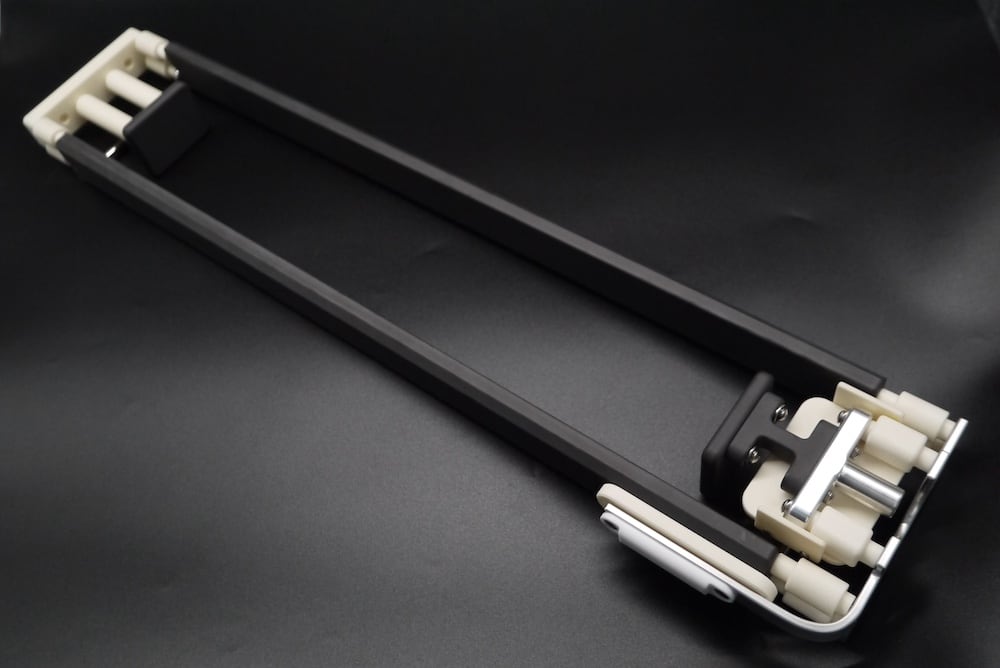
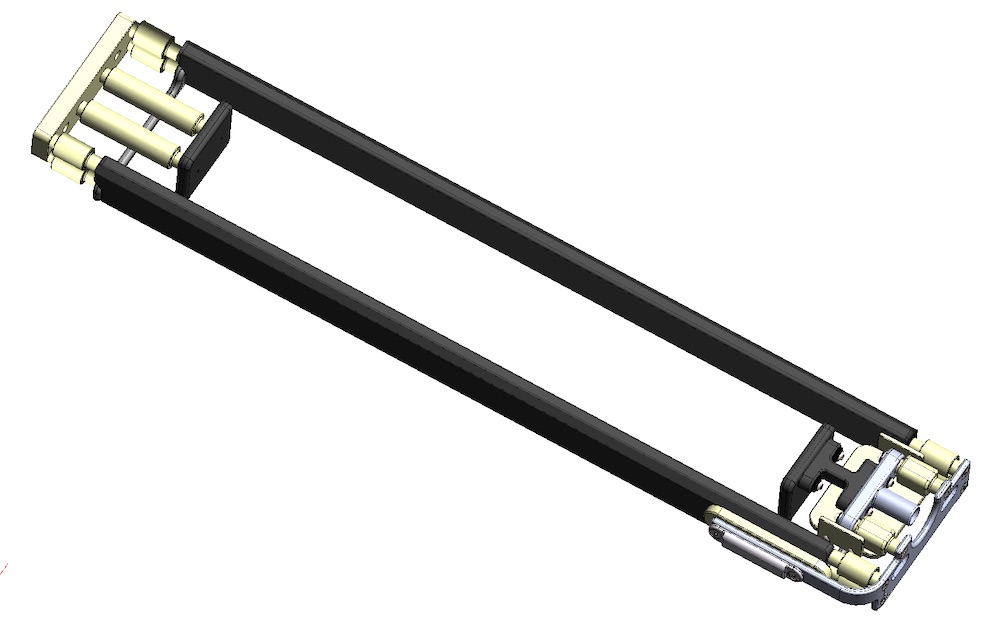
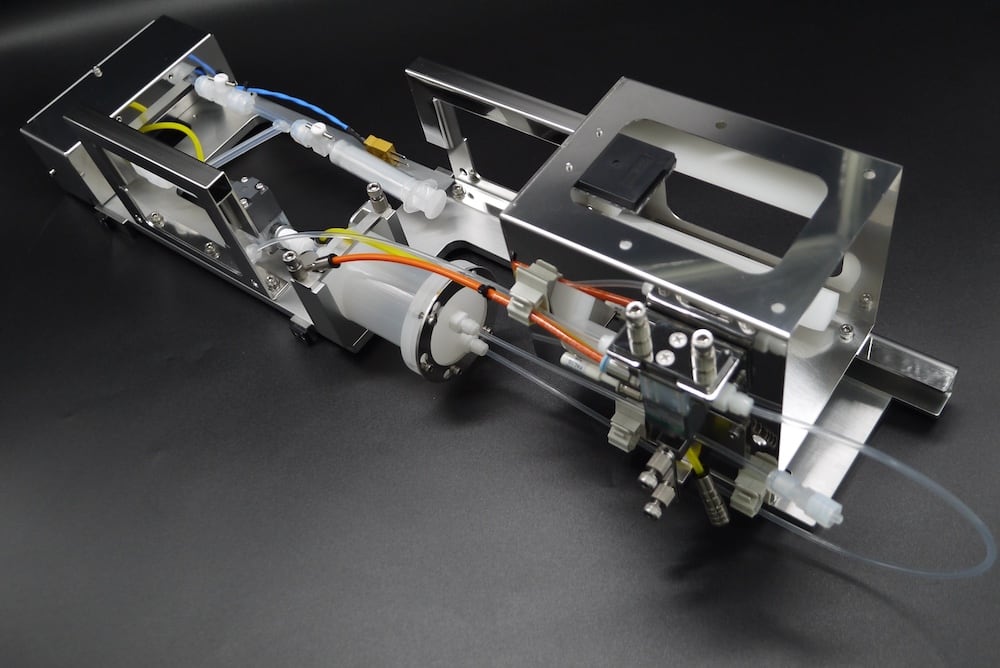
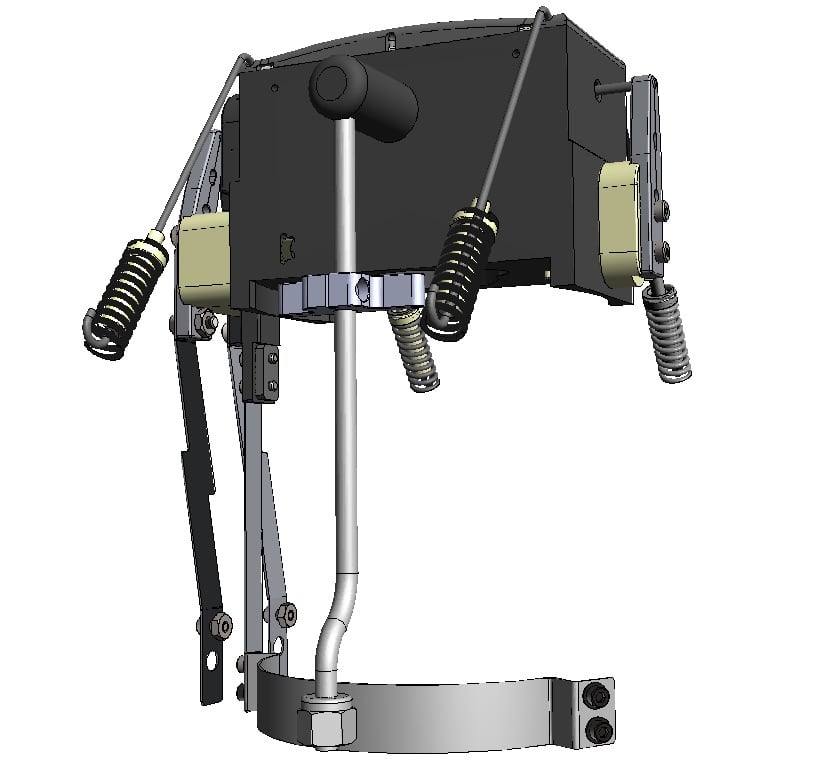
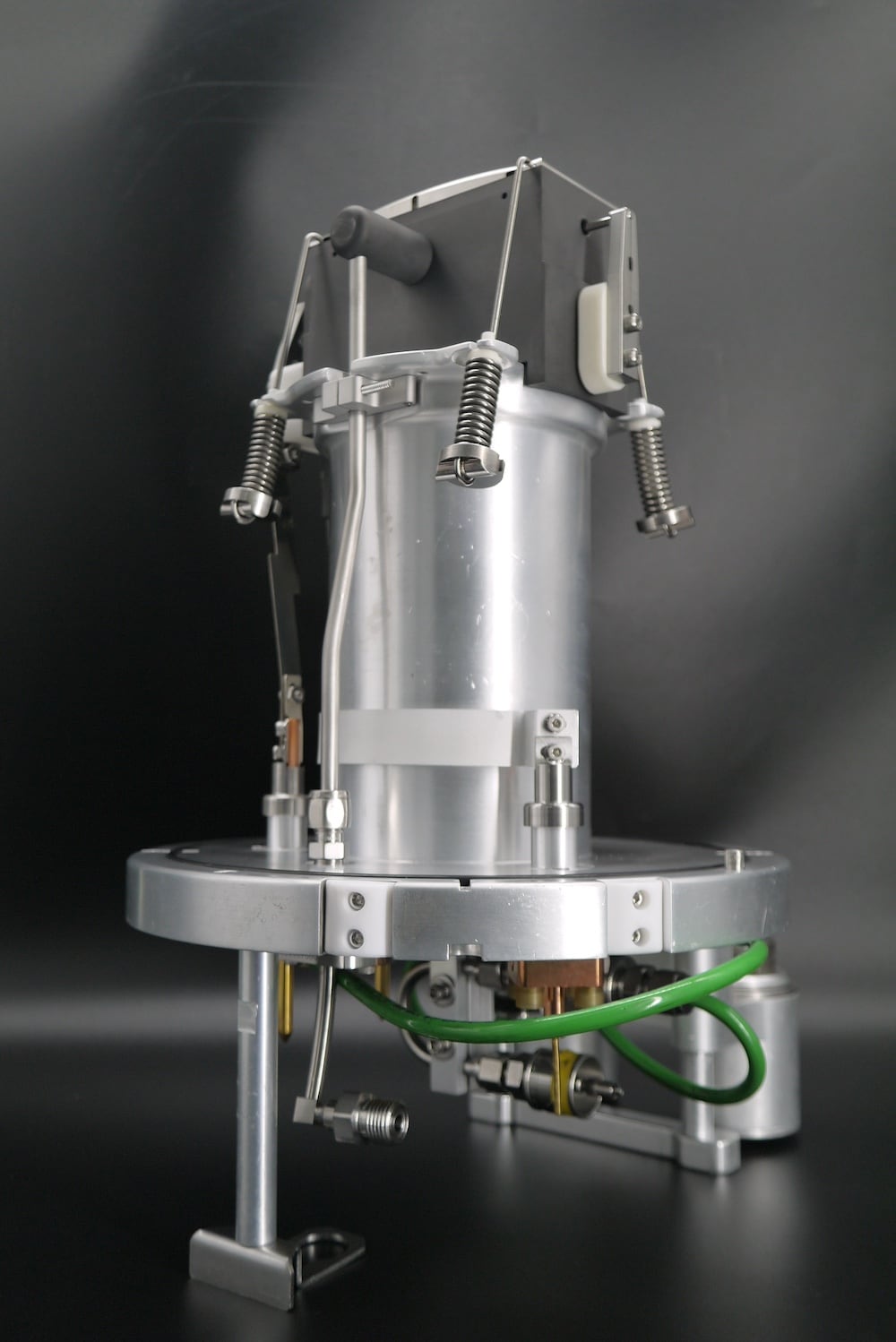
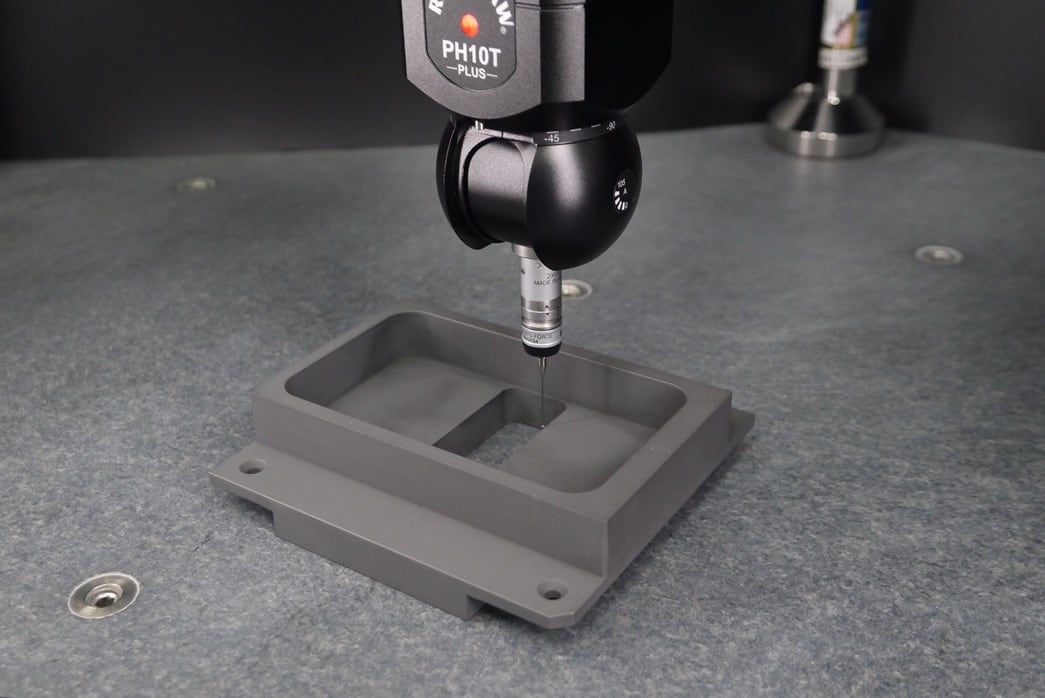
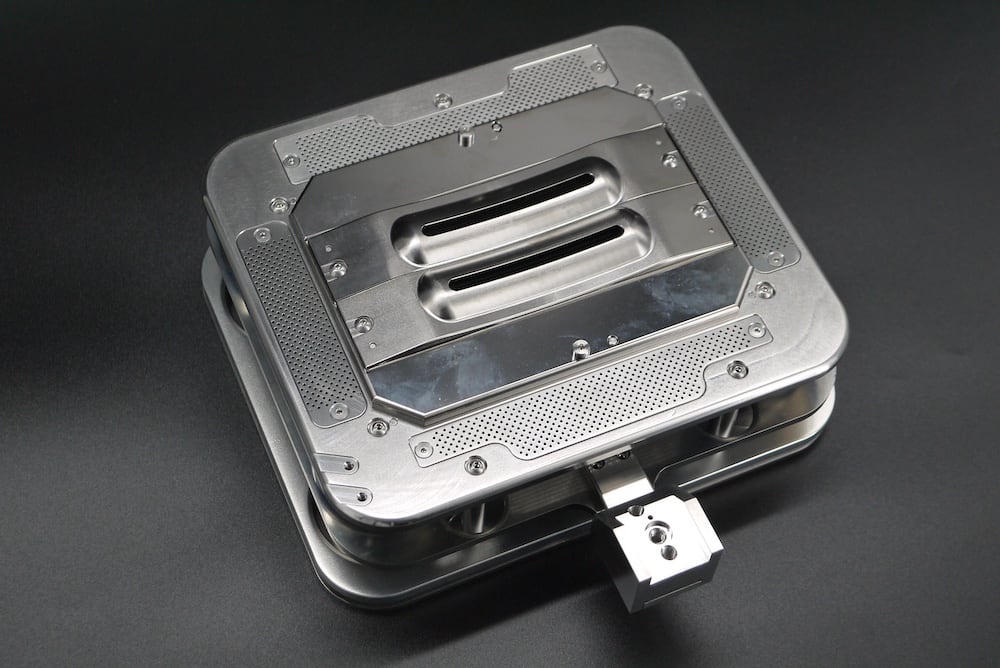
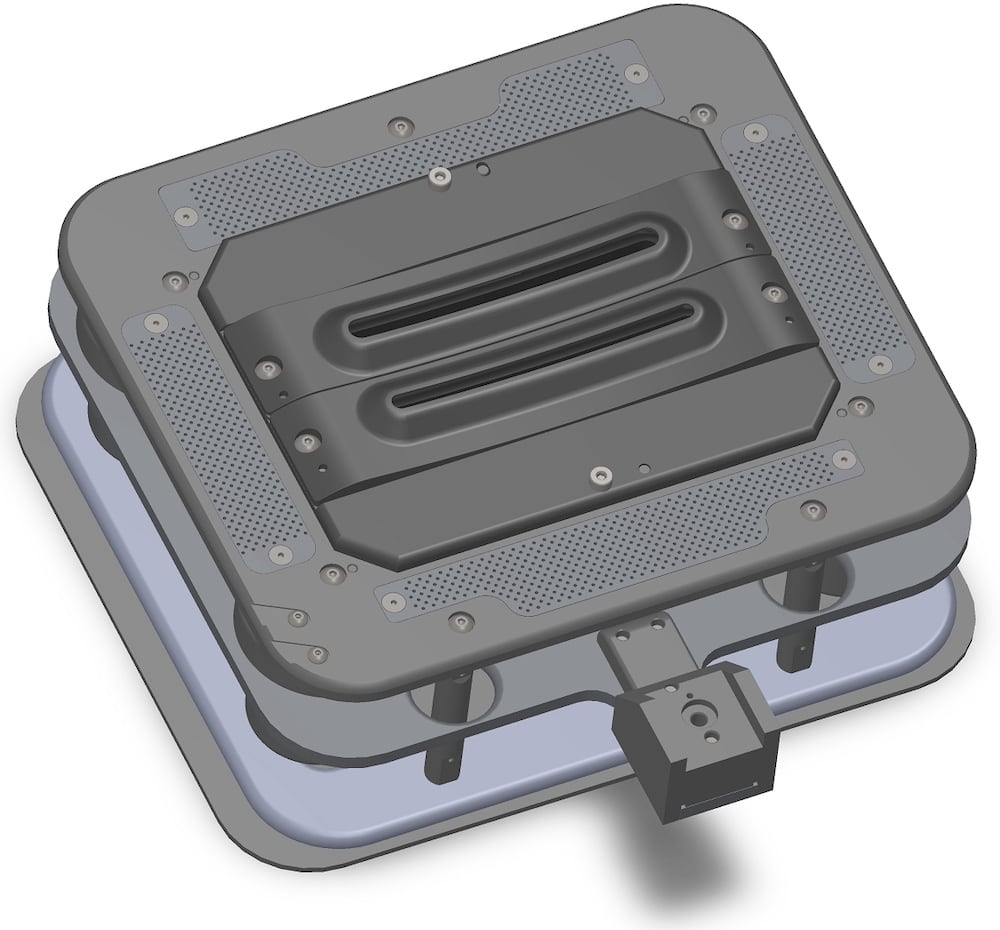
K-MAX specializes in the design and manufacturing of customized components, offering optimal solutions beyond standard specifications based on customer requirements. Our professional team is fully involved throughout the process—from design planning to machining, production, and related testing—to ensure higher precision and consistent quality. This comprehensive approach enhances equipment performance and meets the stringent demands of the semiconductor industry for precision components.
Customized Services

Tailor-Made Solutions, Integrated Technology, One-Stop Service
Combining international know-how to drive complete technological support

Professional Team
Precision R&D
Customized Solutions

K-MAX has a highly skilled and experienced professional team that works closely with numerous international companies. We not only assist clients with Joint Design but also offer complete One-Stop Solutions.

We are committed to providing comprehensive product consultation services and conducting targeted R&D based on customer needs, delivering tailor-made customized products to meet the diverse demands of the market.

Surface Treatment

K-MAX offers a diverse range of surface treatment techniques to meet the needs of various industries and applications. Our main processes include:

Sandblasting

Process Overview

Sandblasting uses high-speed airflow to propel abrasive particles against a material’s surface. This process improves surface roughness and adhesion, removes oxidation layers, contaminants, or old coatings, and can also be used to create specific surface patterns. Additionally, sandblasting enhances surface texture to improve the adhesion of subsequent coatings or plating.

Applications

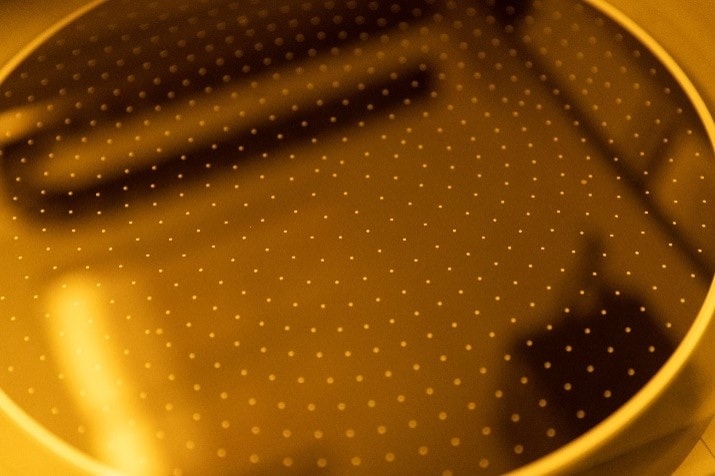
  • Creating unique surface patterns
  • Cleaning and rust removal from metal surfaces
  • Removing old paint or coatings
  • Increasing surface roughness to enhance coating adhesion

Our Strengths

We are equipped with advanced automated sandblasting equipment and supported by an experienced technical team. This allows us to provide optimal solutions tailored to different materials and requirements, ensuring high-quality and efficient surface treatment.

Polishing

Process Overview

Polishing is a technique that uses mechanical, chemical, or electrochemical methods to smooth the surface of materials, reducing roughness and enhancing gloss. This process not only improves the appearance of the material but also increases its corrosion resistance.

Applications

  • Suitable for materials such as metal, plastic, ceramic, quartz, silicon, and silicon carbide
  • Products requiring high gloss, such as semiconductor etching components, electronic device housings, and decorative parts

Our Strengths

We are equipped with a wide range of professional polishing equipment and technologies. Our precision polishing services are tailored to different materials, ensuring high-quality surface gloss and flatness for each product.

Anodizing

Process Overview

Anodizing is an electrochemical oxidation process that forms a protective oxide layer on the surface of metal materials, enhancing corrosion resistance, wear resistance, hardness, and aesthetic appearance. This technique is especially suitable for aluminum and its alloys.

Applications

  • Insulating components used in semiconductor equipment
  • Aluminum parts in aerospace, automotive, and electronic products
  • Provides both protective and decorative functions

Our Strengths

We utilize advanced anodizing technologies, offering both sulfuric acid and oxalic acid anodizing processes. We ensure uniformity and stability of the oxide layer and provide specialized insulation sealing techniques to meet a wide range of customer requirements.

Ceramic Coating

Process Overview

Ceramic coating is a type of thermal spray technology in which ceramic materials (such as Al₂O₃ and Y₂O₃) are melted at high temperatures and sprayed onto the surface of a substrate at high velocity. The result is a coating with high hardness, excellent wear resistance, and strong heat resistance.

Applications

  • Insulating and plasma-resistant components inside semiconductor equipment
  • Turbine blades and automotive parts
  • Components requiring wear resistance, high-temperature resistance, or electrical insulation

Our Advantages

We are equipped with advanced ceramic coating equipment and technologies, offering high-quality coatings using materials such as Al₂O₃ and Y₂O₃ based on customer requirements. Our coatings significantly enhance product performance and service life.

We are committed to delivering comprehensive solutions through a wide range of surface treatment technologies—improving product quality and market competitiveness. For more information, feel free to contact our professional team!

Quality Management

K-MAX’s Commitment to Quality Management

  • Total Quality Control
    From raw material inspection to final product delivery, we employ advanced equipment and strick testing procedures throughout the entire process to ensure stable functionality and product reliability.
  • Lean Production Processes
    We adopt cutting-edge technologies and management practices to continuously improve production efficiency, strictly adhering to the ISO 9001:2015 international quality management standards.
  • Professional Staff Training
    We conduct regular training in quality management and technical skills to strengthen our team’s professional capabilities, ensuring efficient operations and outstanding performance.
  • Customer-Centric Approach
    We have established a dedicated service team to actively listen to customer needs and feedback, continuously enhancing our product and service quality to deliver an exceptional customer experience.

Through these efforts, we not only deliver high-quality products and services but also consistently exceed customer expectations. Our goal is to build strong, long-term partnerships and become a trusted and reliable partner.